A Retro Cafe Experience at Umihiko

Tucked along a quietly preserved street lined with century-old homes, Umihiko Cafe feels like stepping into a different era. Housed in a lovingly restored 120-year-old residence—considered one of the “younger” buildings in a neighborhood where many structures date back over 140 years—the cafe leans fully into its retro charm. Inside, antique furnishings and nostalgic touches create a warm, almost cinematic atmosphere.

It’s essentially a one-man operation—just a single staff member running the entire show. There’s no hovering service here; instead, a small bell sits on each table. Need something? Just give it a gentle ring.

I ordered a yuzu tea paired with a slice of chocolate cake. The yuzu drink was bright and refreshing, with just the right balance of citrus tang—perfect for cleansing the palate. The chocolate cake, on the other hand, leaned indulgent: rich, moist, and deeply satisfying. Served alongside a scoop of vanilla ice cream, it struck that perfect contrast between warm decadence and cool creaminess.

Umihiko Cafe

Tomo-824 Tomocho, Fukuyama, Hiroshima 720-0201, Japan

Hearty Gomtang at OKDONGSIK


After a full day of exploring Tokyo, I was craving something simple and comforting—ideally close to my hotel. A quick scroll through Google Maps led me to OKDONGSIK, a modest Korean spot specializing in dweji gomtang (clear pork soup), exactly what I had in mind. It’s easy to miss if you’re not looking carefully especially at night—the signage is quite subtle.

Originally founded in Seoul in 2017, OKDONGSIK has since expanded internationally, with locations in cities like Tokyo, New York, and Paris.

The menu is focused and straightforward, offering three portion sizes and a small selection of side dishes. I went with the classic pork soup: the broth was clean, warming, and deeply comforting without feeling heavy. The pork slices were tender, with a nice balance of lean meat and fat.

Overall, it was a satisfying, no-frills meal—perfect if you’re in the area and looking for something simple and hearty.

Creamy Indulgence at Pierre Hermé Marunouchi

Located along Marunouchi Naka-Dori Avenue, Made in Pierre Hermé Marunouchi is a beautiful café with a sleek, elegant, and inviting interior—perfect for a relaxed yet refined treat.

The menu offers a wide variety of soft serve toppings, along with coffee, tea, soft drinks, and even alcohol. There’s also an impressive selection of sweets, including cakes, tarts, cookies, macarons, chocolates, and baked goods. In addition, you’ll find thoughtfully curated food products from different regions, such as pickles, jams, rice, mayonnaise, and seaweed. For something more savory, light meals like delicatessen dishes and sandwiches are also available.

I tried the soft serve with espresso and caramel nuts. The ice cream was incredibly creamy and smooth, melting effortlessly in your mouth. The espresso added a slightly bitter richness with a roasted, almost chocolatey depth, while the caramel nuts brought a hint of toasted warmth and a satisfying nutty crunch.

It’s like an affogato meets a caramel sundae—absolutely delicious.

Made in Pierre Hermé Marunouchi

Japan, 〒100-0005 Tokyo, Chiyoda City, Marunouchi, 3 Chome−2−3 二重橋スクエア 1F

A Surprise Find at Ramen Shiina

My friend and I had originally planned to visit a well-known udon spot in Shinjuku, but with a wait time of over two hours, we decided to wander the neighborhood instead in search of something else. That’s when we stumbled upon Ramen Shiina—a modest chicken ramen shop that was simple, clean, with friendly staff and prompt service.

The menu offers four main options: shoyu (soy sauce), shio (salt), a rich, thick chicken broth, and dry noodles served with a dipping sauce.

We didn’t expect much at first—but from the very first sip, we were blown away. It easily ranks among the best ramen I’ve had. I ordered the thick chicken soup, while my friend chose the shoyu. We asked for our noodles to be cooked a little softer than al dente, and they came out perfectly to our liking.

The shoyu broth was light yet deeply savory, layered with umami. The thick chicken soup, on the other hand, was rich and creamy with a depth of flavor that lingered in the best way. Both bowls were incredibly satisfying. The chicken was tender, juicy, and full of flavor, with a subtle hint of smokiness. The dumplings were the perfect finishing touch—well-seasoned, juicy, and comforting.

A hidden gem we almost overlooked, but one we’ll definitely be coming back to.

Ramen Shiina

Japan, 〒160-0004 Tokyo, Shinjuku City, Yotsuya, 4 Chome−30−15 市川ビル 1F

Yebisuya: A Historic Sake Brewery Turned Folk House Café

Yebisuya, the oldest sake brewery in Hiroshima, was founded in 1603 and continued producing sake until 1995. Steeped in history, parts of the building date back to the Edo period, giving the space a quiet, timeless charm. Today, the restaurant doubles as a small museum, with beautifully preserved pottery sake bottles from centuries past on display—subtle reminders of its rich heritage.

I visited Tomonoura during the off-season, and the stillness made it feel like a truly personal experience. With hardly any visitors around, I felt as though I had the entire place to myself. The building is old, yet impeccably clean and well maintained—it truly feels like stepping back in time. It’s run by a lovely couple.

The menu is simple, offering just one lunch set, but every dish felt thoughtful and comforting. The meal was humble yet deeply satisfying, with each element prepared with care. To finish, I had a light and fluffy chocolate cake that wasn’t overly sweet, paired perfectly with a fragrant cup of hot yuzu tea.

At one point, the owner came over to share that the lacquer tray I was using was over 100 years old. His pride was evident, and I was genuinely surprised by how beautifully preserved it was—a small but memorable detail that made the experience even more special.

Ebisuya 胡屋

Tomo-355-1 Tomocho, Fukuyama, Hiroshima 720-0201, Japan

A Stadium Stop for Sasebo Burger

Stamina Honpo Kaya is a great place to try a Sasebo Burger while visiting Nagasaki. This branch is located inside Peace Stadium Connected by SoftBank, making it a fun and slightly unexpected place to enjoy the burger.

The Sasebo burger originated in Sasebo after World War II, when the nearby United States Navy base introduced American-style hamburgers to the area. Local restaurants adapted the recipe, creating their own versions using fresh ingredients and cooking each burger to order. Today, Sasebo burgers are known for their generous size and handmade style.

At Stamina Honpo Kaya, you order from a ticket machine before collecting your burger. The menu offers around nine different burger variations to choose from. I went with the classic cheeseburger. Because the burgers are made to order, there was a bit of a wait before it was ready.

The burger itself was generously sized, with a soft bun that had a slight crispness on the outside. There was a large portion of fresh lettuce, which gave it a nice crunch. Flavor-wise, it was saucy, tangy, and slightly sweet, with everything tasting fresh and satisfying.

For a casual and tasty introduction to the Sasebo burger, Stamina Honpo Kaya is definitely worth a stop when you’re in Nagasaki city.

Stamina Honpo Kaya

7-1 Saiwaimachi, Nagasaki, 850-0046, Japan

Trying Nagasaki’s Famous Champon

When visiting Nagasaki, one dish that always appears on the must-eat list is Champon. This hearty noodle soup has roots in Chinese cooking and was first created at Shikairō, widely known as the birthplace of the dish.

The restaurant’s founder, Chen Ping Shun, was a Chinese chef from Fujian Province. In the late 19th century, he created champon as an affordable, filling meal for Chinese students studying in Nagasaki. Inspired by noodle dishes from Fujian cuisine, he adapted the recipe to local tastes. The result was a hearty bowl of noodles in a milky pork-and-chicken broth, topped with vegetables, pork, and seafood.


To try this Nagasaki specialty, I visited Lao Lee in Nagasaki Shinchi Chinatown. The interior was dim and slightly outdated. My bowl came packed with vegetables and seafood, and the noodles were firm and pleasantly chewy, though the presentation wasn’t particularly appetizing.

Flavor-wise, it didn’t quite win me over. Compared to ramen, the broth lacked depth and tasted somewhat like a more refined instant chicken noodle broth. Perhaps other restaurants in Nagasaki serve a richer version, but it was still interesting to try this iconic local dish in the city where it was created.

Lao Lee


12-7 Shinchimachi, Nagasaki, 850-0842, Japan

A Creative Udon Experience at Oudon Hajime

Oudon Hajime is the Kyoto branch of chef Tatsuya Aoki, whose udon restaurant in Tokyo has gained quite a following. The Kyoto location opened in June 2025 and sits inside a beautifully restored kyo-machiya, just a short walk from Gojo Station.

The space blends modern dining with traditional Kyoto charm. Warm wooden accents and the preserved machiya structure give the restaurant the quiet, nostalgic feel of old Kyoto. There’s an open kitchen where you can watch the chefs at work, with mostly counter seating and a few small tables.

Ordering is done by scanning a QR code, which makes browsing the menu simple. The menu itself features several creative udon combinations that go beyond the usual classics.

I ordered the crab leg tempura udon along with the parmesan cheese and bacon tempura udon, served kamatama-style. The crab leg tempura was perfectly fried with a crisp, delicate coating, though it left a slight oily aftertaste.

The udon noodles themselves were soft, chewy, and satisfying, with every strand coated in the rich sauce. The dish tasted surprisingly similar to a carbonara — creamy, rich, and incredibly comforting. The bacon tempura added a savory crunch that paired well with the creamy udon.

Overall, it was a unique and memorable take on udon. I would definitely recommend Oudon Hajime to anyone looking for a delicious and slightly different udon experience while visiting Kyoto.

Oudon Hajime

Japan, 〒600-8188 Kyoto, Shimogyo Ward, Izumicho, 523-1

Matcha Café in Shibuya

A stylish, minimalist matcha café in Shibuya, Hatoya is popular spot with foreign tourists. The staff spoke English and were friendly, which made ordering easy. The open seating layout gives the space a modern, airy feel and would be perfect in warmer weather. Unfortunately, I visited in winter, and sitting on the cement seats made it quite chilly — cushions or seat mats would have been a thoughtful addition.

The café offers a variety of matcha options with different flavor profiles, allowing you to choose based on intensity and taste preference. In addition to matcha, they also serve hojicha, black tea, ice cream, and a small selection of desserts.

I ordered a hot matcha latte and matcha ice cream. I was really looking forward to the matcha, but it ended up being a bit disappointing. The matcha latte was quite light and tasted more of milk than matcha, lacking the depth and slight bitterness I usually enjoy. The ice cream had a bold matcha taste, which I enjoyed, but the texture was crumbly and slightly icy rather than smooth and creamy. The glutinous rice balls, however, were soft and chewy — easily the best part of the dessert.

Overall, it’s a beautiful space with friendly service and a strong concept, but the flavors didn’t quite live up to the aesthetic for me.

Hatoya Shibuya

Japan, 〒150-0047 Tokyo, Shibuya, Kamiyamacho, 3−8 AISKビル 1階

Hidden Behind a Parking Lot: A Coffee Gem at Weekenders

Weekenders Coffee is a specialty coffee shop tucked quietly behind a parking lot — the kind of place you’d easily miss if you weren’t looking for it. Once you step through, though, it feels like discovering a hidden gem. The space is small but beautifully aesthetic, set inside a traditional machiya with a charming Japanese front garden decorating the entrance. The greenery and wooden façade create a calm, understated atmosphere that feels very Kyoto.

They also operate a separate roastery and roast their own beans, which are available for sale at the coffee stand.

Seating is limited, with mostly standing room, so it’s more of a quick coffee stop rather than a place to linger for hours. Perfect for a morning caffeine boost or a takeaway cup before exploring the neighborhood. One thing to note: there are no non-dairy milk alternatives available.

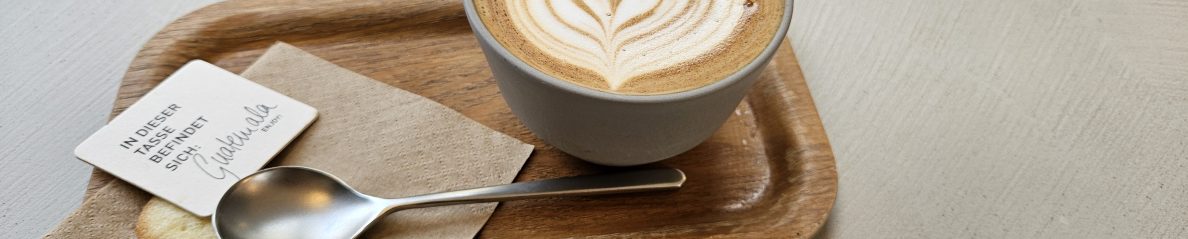
I ordered a cappuccino. The foam was thick and smooth, holding its structure beautifully as I drank. The coffee itself had balanced flavors — rich but not overpowering, with a clean finish.

WEEKENDERS COFFEE TOMINOKOJI

Japan, 〒604-8064 Kyoto, Nakagyo Ward, Honeyanocho, 560 離れ