A Stadium Stop for Sasebo Burger

Stamina Honpo Kaya is a great place to try a Sasebo Burger while visiting Nagasaki. This branch is located inside Peace Stadium Connected by SoftBank, making it a fun and slightly unexpected place to enjoy the burger.

The Sasebo burger originated in Sasebo after World War II, when the nearby United States Navy base introduced American-style hamburgers to the area. Local restaurants adapted the recipe, creating their own versions using fresh ingredients and cooking each burger to order. Today, Sasebo burgers are known for their generous size and handmade style.

At Stamina Honpo Kaya, you order from a ticket machine before collecting your burger. The menu offers around nine different burger variations to choose from. I went with the classic cheeseburger. Because the burgers are made to order, there was a bit of a wait before it was ready.

The burger itself was generously sized, with a soft bun that had a slight crispness on the outside. There was a large portion of fresh lettuce, which gave it a nice crunch. Flavor-wise, it was saucy, tangy, and slightly sweet, with everything tasting fresh and satisfying.

For a casual and tasty introduction to the Sasebo burger, Stamina Honpo Kaya is definitely worth a stop when you’re in Nagasaki city.

Stamina Honpo Kaya

7-1 Saiwaimachi, Nagasaki, 850-0046, Japan
Trying Nagasaki’s Famous Champon

When visiting Nagasaki, one dish that always appears on the must-eat list is Champon. This hearty noodle soup has roots in Chinese cooking and was first created at Shikairō, widely known as the birthplace of the dish.

The restaurant’s founder, Chen Ping Shun, was a Chinese chef from Fujian Province. In the late 19th century, he created champon as an affordable, filling meal for Chinese students studying in Nagasaki. Inspired by noodle dishes from Fujian cuisine, he adapted the recipe to local tastes. The result was a hearty bowl of noodles in a milky pork-and-chicken broth, topped with vegetables, pork, and seafood.


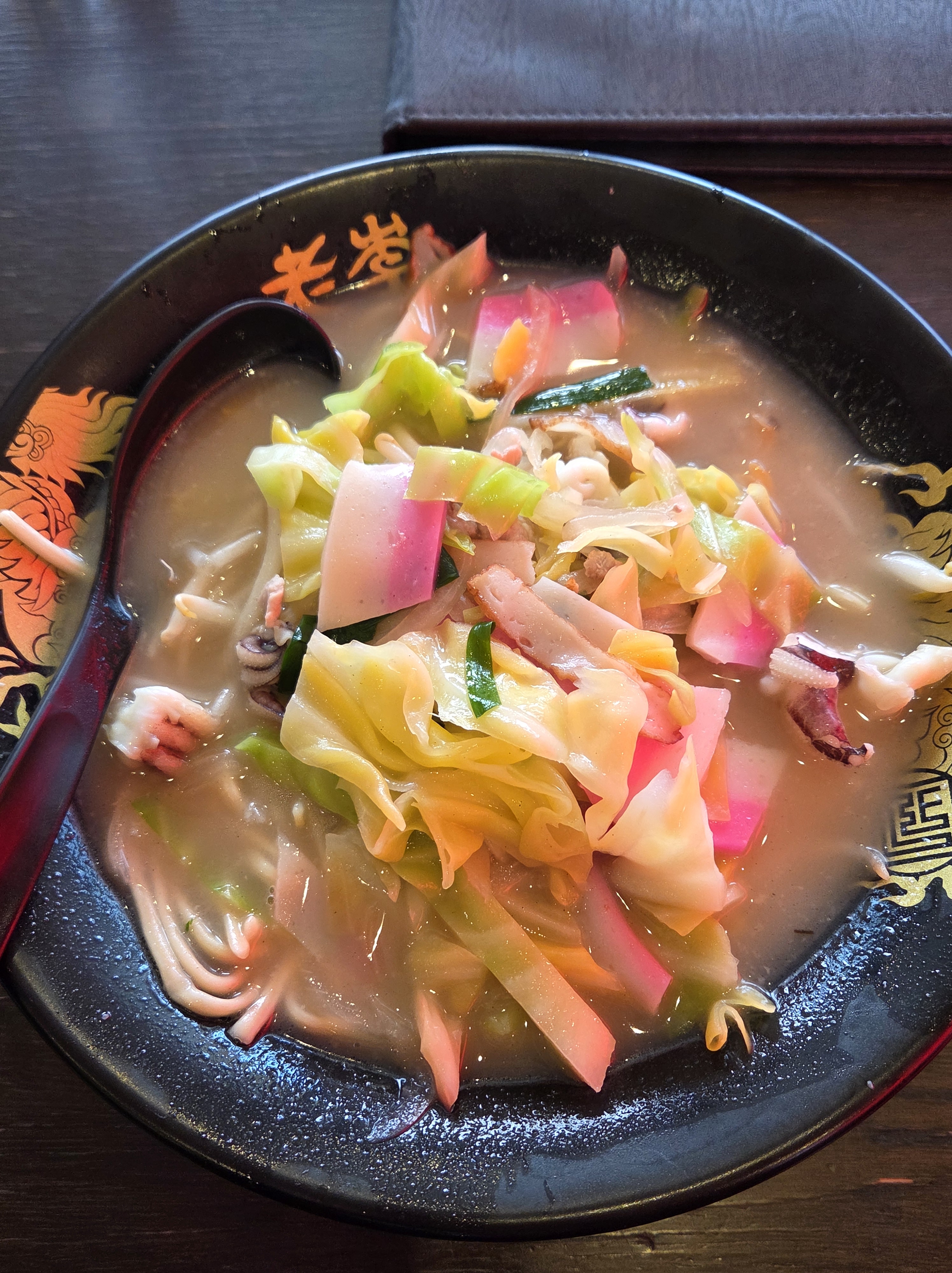
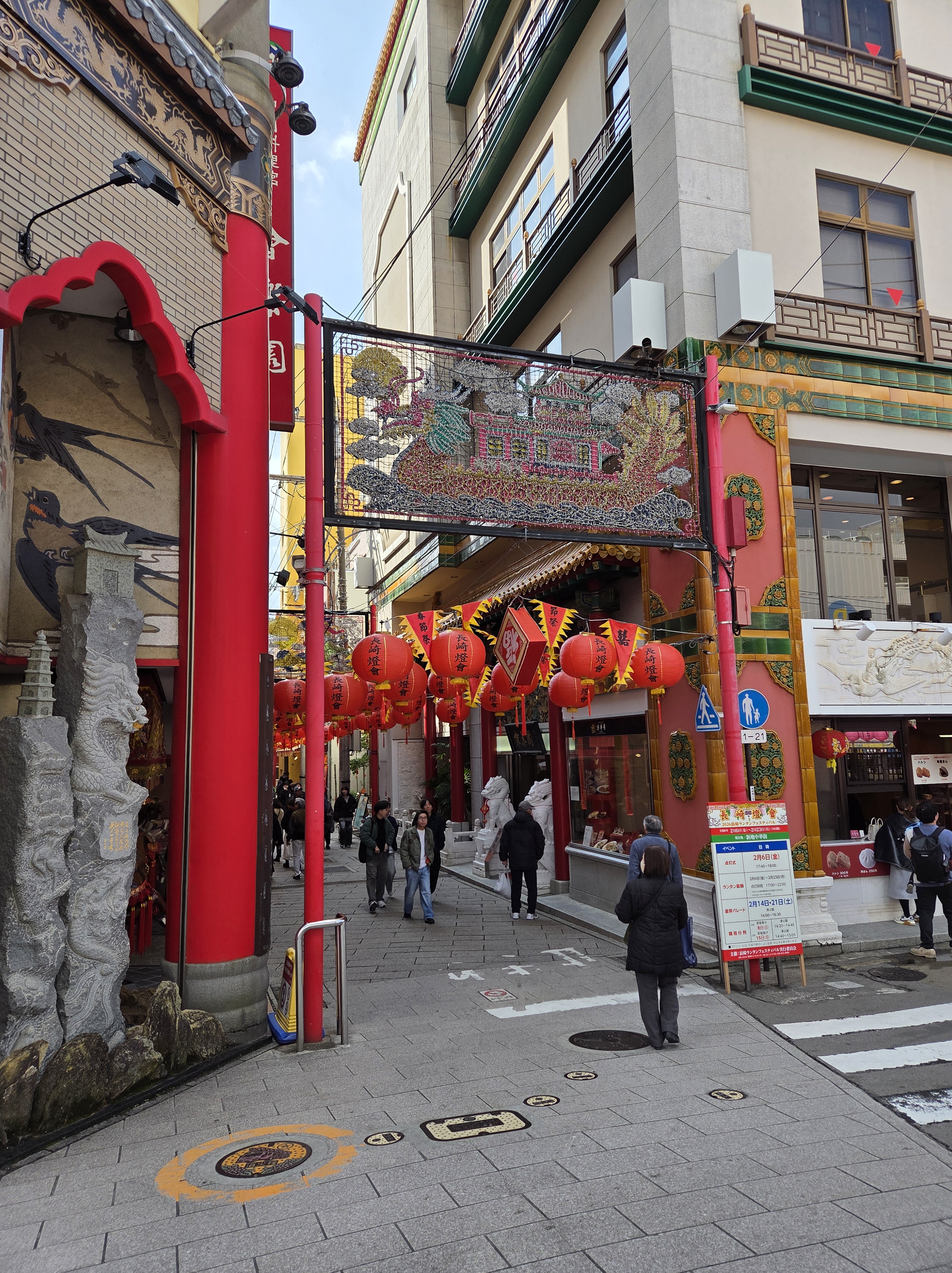
To try this Nagasaki specialty, I visited Lao Lee in Nagasaki Shinchi Chinatown. The interior was dim and slightly outdated. My bowl came packed with vegetables and seafood, and the noodles were firm and pleasantly chewy, though the presentation wasn’t particularly appetizing.

Flavor-wise, it didn’t quite win me over. Compared to ramen, the broth lacked depth and tasted somewhat like a more refined instant chicken noodle broth. Perhaps other restaurants in Nagasaki serve a richer version, but it was still interesting to try this iconic local dish in the city where it was created.

Lao Lee


12-7 Shinchimachi, Nagasaki, 850-0842, Japan

A Creative Udon Experience at Oudon Hajime

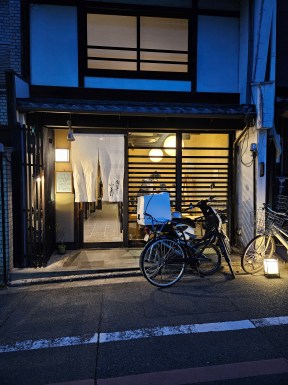
Oudon Hajime is the Kyoto branch of chef Tatsuya Aoki, whose udon restaurant in Tokyo has gained quite a following. The Kyoto location opened in June 2025 and sits inside a beautifully restored kyo-machiya, just a short walk from Gojo Station.

The space blends modern dining with traditional Kyoto charm. Warm wooden accents and the preserved machiya structure give the restaurant the quiet, nostalgic feel of old Kyoto. There’s an open kitchen where you can watch the chefs at work, with mostly counter seating and a few small tables.

Ordering is done by scanning a QR code, which makes browsing the menu simple. The menu itself features several creative udon combinations that go beyond the usual classics.

I ordered the crab leg tempura udon along with the parmesan cheese and bacon tempura udon, served kamatama-style. The crab leg tempura was perfectly fried with a crisp, delicate coating, though it left a slight oily aftertaste.

The udon noodles themselves were soft, chewy, and satisfying, with every strand coated in the rich sauce. The dish tasted surprisingly similar to a carbonara — creamy, rich, and incredibly comforting. The bacon tempura added a savory crunch that paired well with the creamy udon.

Overall, it was a unique and memorable take on udon. I would definitely recommend Oudon Hajime to anyone looking for a delicious and slightly different udon experience while visiting Kyoto.

Oudon Hajime

Japan, 〒600-8188 Kyoto, Shimogyo Ward, Izumicho, 523-1

Matcha Café in Shibuya

A stylish, minimalist matcha café in Shibuya, Hatoya is popular spot with foreign tourists. The staff spoke English and were friendly, which made ordering easy. The open seating layout gives the space a modern, airy feel and would be perfect in warmer weather. Unfortunately, I visited in winter, and sitting on the cement seats made it quite chilly — cushions or seat mats would have been a thoughtful addition.

The café offers a variety of matcha options with different flavor profiles, allowing you to choose based on intensity and taste preference. In addition to matcha, they also serve hojicha, black tea, ice cream, and a small selection of desserts.

I ordered a hot matcha latte and matcha ice cream. I was really looking forward to the matcha, but it ended up being a bit disappointing. The matcha latte was quite light and tasted more of milk than matcha, lacking the depth and slight bitterness I usually enjoy. The ice cream had a bold matcha taste, which I enjoyed, but the texture was crumbly and slightly icy rather than smooth and creamy. The glutinous rice balls, however, were soft and chewy — easily the best part of the dessert.

Overall, it’s a beautiful space with friendly service and a strong concept, but the flavors didn’t quite live up to the aesthetic for me.

Hatoya Shibuya

Japan, 〒150-0047 Tokyo, Shibuya, Kamiyamacho, 3−8 AISKビル 1階

Hidden Behind a Parking Lot: A Coffee Gem at Weekenders

Weekenders Coffee is a specialty coffee shop tucked quietly behind a parking lot — the kind of place you’d easily miss if you weren’t looking for it. Once you step through, though, it feels like discovering a hidden gem. The space is small but beautifully aesthetic, set inside a traditional machiya with a charming Japanese front garden decorating the entrance. The greenery and wooden façade create a calm, understated atmosphere that feels very Kyoto.

They also operate a separate roastery and roast their own beans, which are available for sale at the coffee stand.

Seating is limited, with mostly standing room, so it’s more of a quick coffee stop rather than a place to linger for hours. Perfect for a morning caffeine boost or a takeaway cup before exploring the neighborhood. One thing to note: there are no non-dairy milk alternatives available.

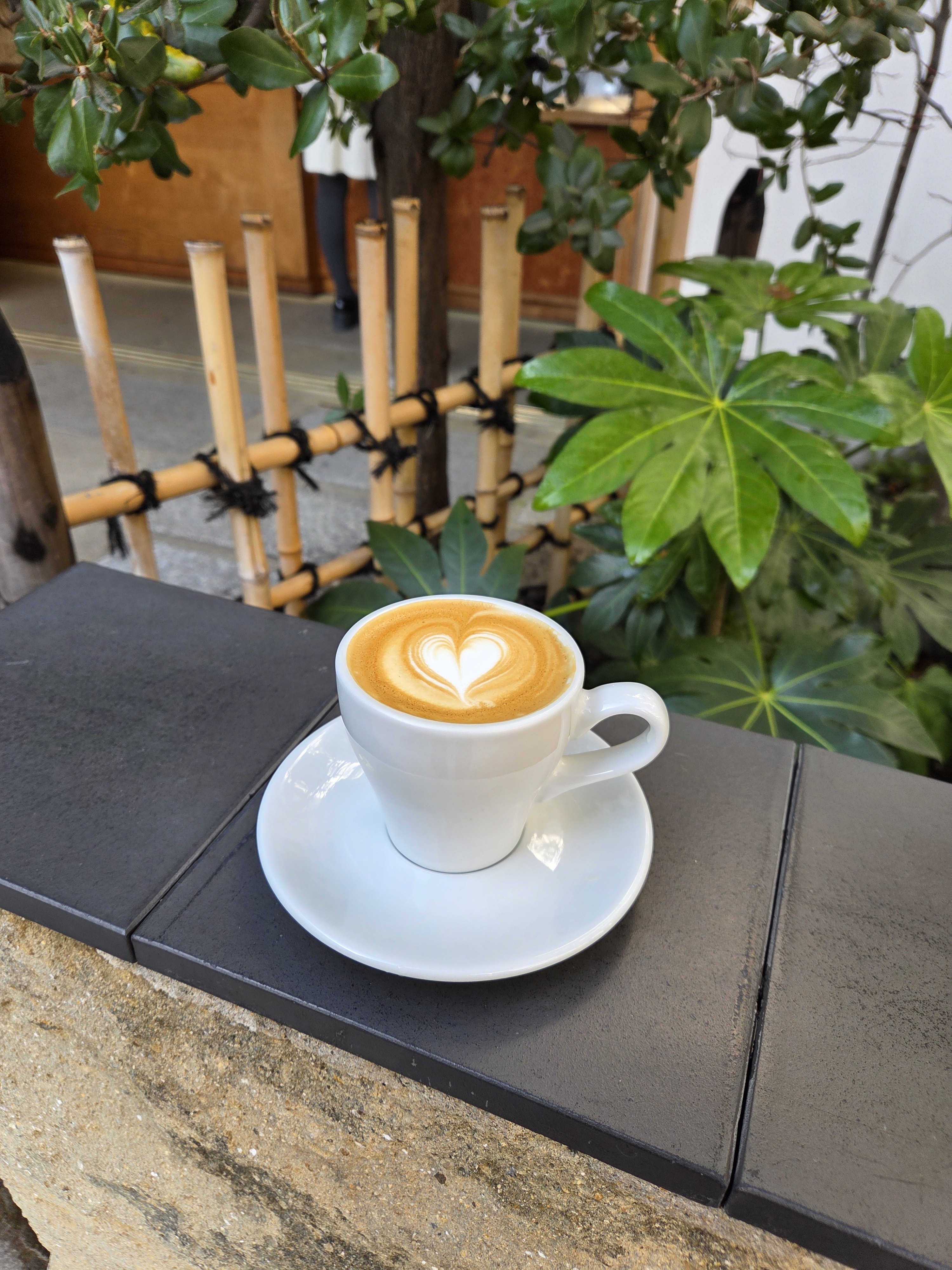
I ordered a cappuccino. The foam was thick and smooth, holding its structure beautifully as I drank. The coffee itself had balanced flavors — rich but not overpowering, with a clean finish.

WEEKENDERS COFFEE TOMINOKOJI

Japan, 〒604-8064 Kyoto, Nakagyo Ward, Honeyanocho, 560 離れ

Simple, Soulful Soba in Suwa

Soba Tomiya

A traditional soba restaurant in Suwa, a small city about two hours north of Tokyo in Nagano Prefecture. They specialize in handmade soba with a choice of 80% buckwheat or 100% buckwheat noodles — the 100% buckwheat option is an additional 1,500 yen.

The restaurant itself is simple, small, and no-frills — the kind of place that feels local and authentic. The staff were friendly and spoke some English, and there’s an English menu available, which was very helpful.

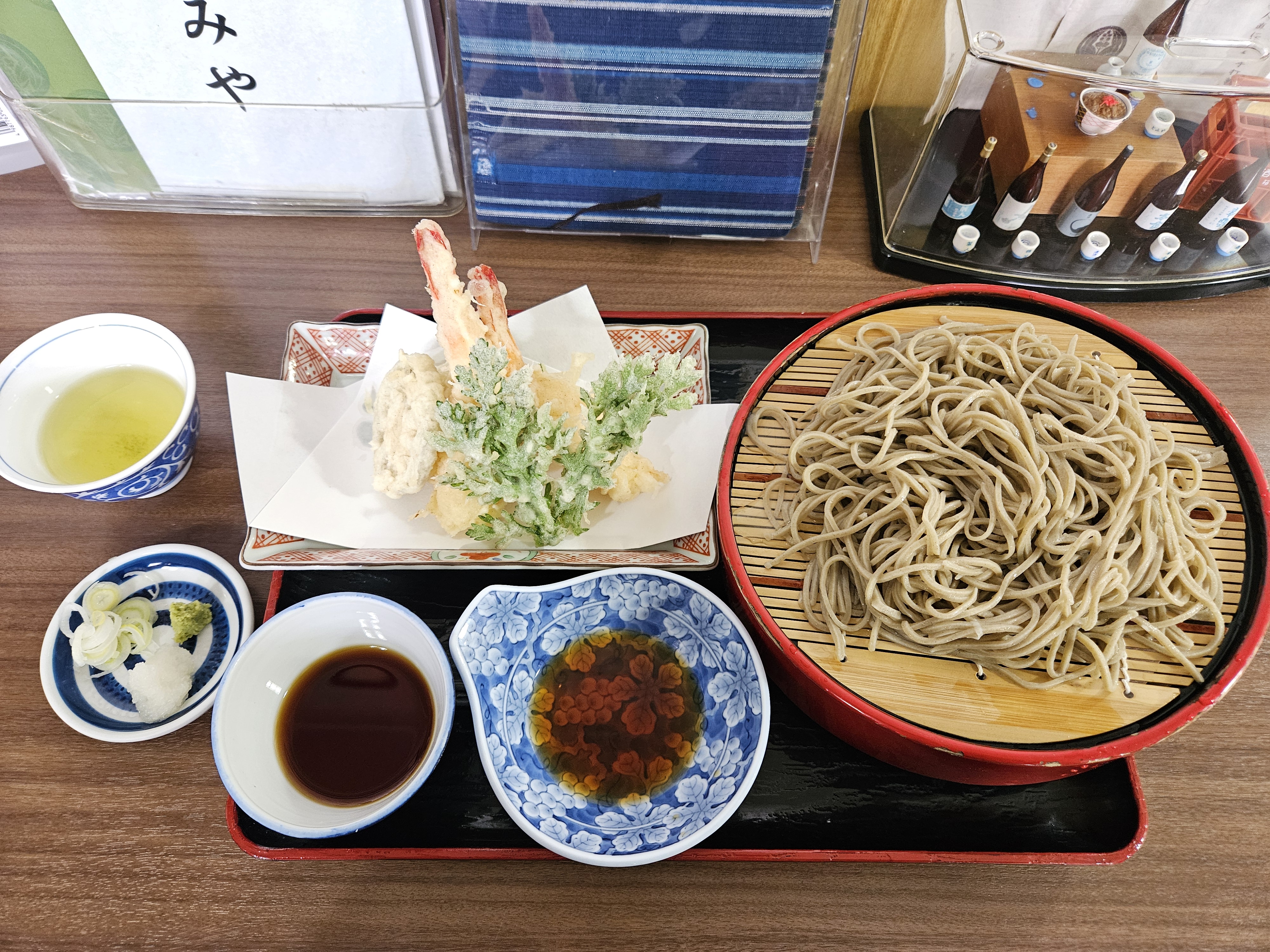
They offer both hot and cold soba options. I ordered the cold soba with tempura. The noodles had a wonderful firm bite and subtle nuttiness. The dipping sauce was light yet deeply umami, and the freshly grated daikon added a gentle sweetness and brightness that made each bite refreshing and balanced.

The tempura was exceptional — the batter light, delicate, and perfectly crisp without feeling greasy. Every piece was airy and beautifully fried.

I enjoyed the meal so much that I went back again the next day. It was one of those simple but memorable dining experiences — the kind that quietly stays with you. A truly memorable meal in Suwa.


Soba Tomiya

3 Chome-8-10 Kogandori, Suwa, Nagano 392-0027, Japan

A Frothy Surprise: My First Taste of Buku Buku Tea in Okinawa

This slideshow requires JavaScript.

During my visit to Naha, I had the chance to try something truly unique—Buku Buku Tea at Uchina Café Buku-Buku.

Buku Buku Tea is not your typical Japanese tea. Instead of a clear, delicate brew, it is topped with a thick, airy foam, almost resembling whipped cream. The froth is made by vigorously whisking jasmine tea and roasted rice water in a large wooden bowl, a technique that has been passed down through generations in Okinawa.

When the tea arrived, I was struck by its beautiful presentation—a traditional Okinawan ceramic cup filled with tea, crowned with an impressive white, bubbly foam. The first sip was a surprise—the foam was light, airy, and slightly nutty, complementing the mild bitterness of the jasmine tea below. The roasted rice water added a subtle, toasty undertone, creating a comforting and unexpectedly rich flavor.

The cozy, rustic ambiance of Uchina Café Buku-Buku made the experience even more enjoyable. The café had traditional wooden furniture, Okinawan pottery, and a relaxed, welcoming vibe. It felt like the perfect place to slow down and savor this centuries-old tea tradition.

Tasting Buku Buku Tea for the first time was both a cultural and sensory experience. The unique frothy texture, combined with the fragrant jasmine tea and nutty rice undertones, made it unlike any tea I had ever tried. It was a wonderful introduction to Okinawan tea culture.


Uchina Café Buku-Buku

Website: http://bukubuku.jp/

Opening hours: Daily from 11:00 a.m. to 18:00 p.m. , Closed on Tuesdays

Telephone: +81989434811

Address: 1 Chome-22-35 Tsuboya, Naha, Okinawa 902-0065, Japan

Shunsai Imari


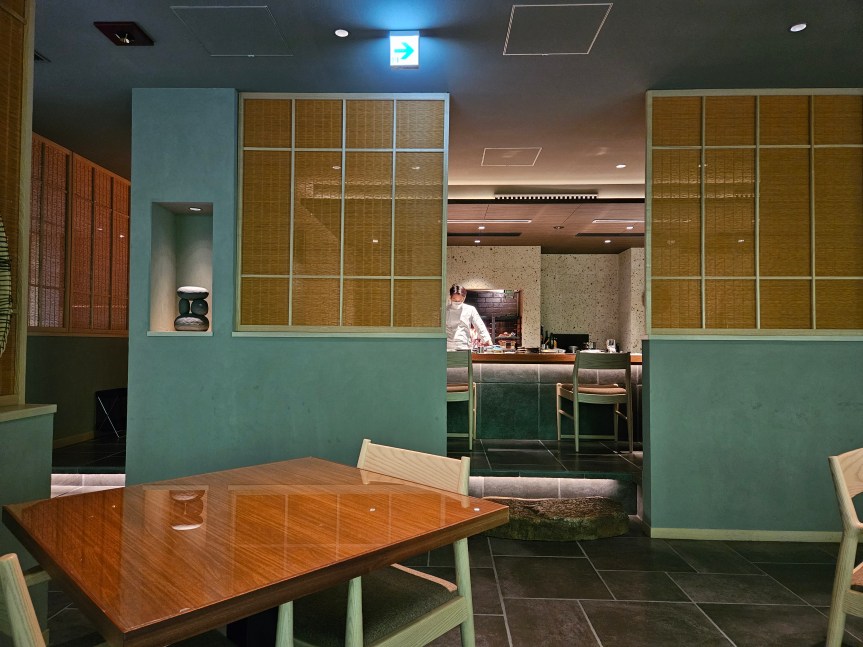
Shunsai Imari is a restaurant serving Kyoto-style Obanzai, which is a traditional style of Japanese cuisine native to Kyoto. It’s also an excellent place to try Japanese-style breakfast.

Our waiter had good English and was attentive. The menu offers an array of dishes that highlight Kyoto’s vibrant palette of colors and flavors.

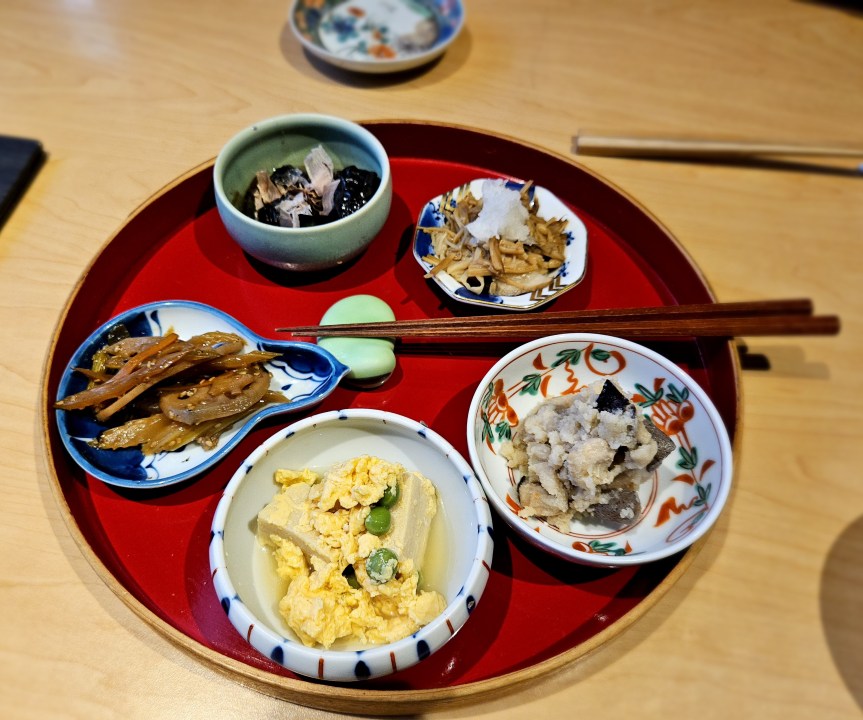
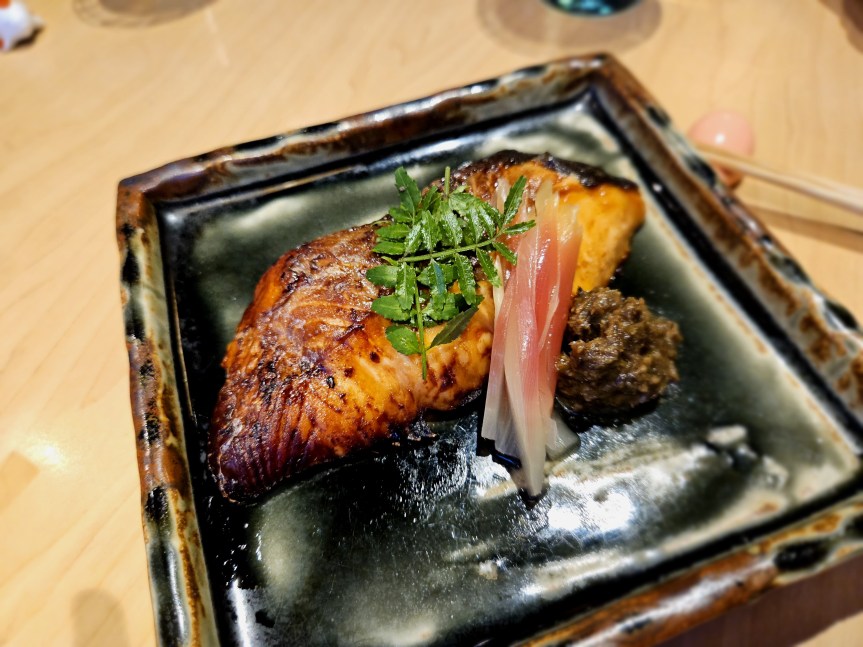
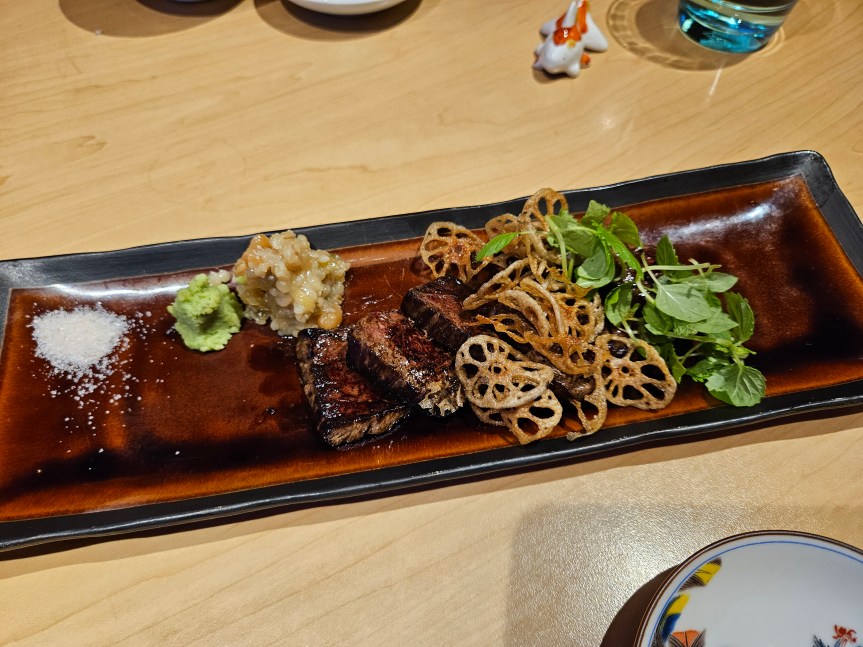
We decided to go with the 5 assorted Obanzai along with a grilled trout and black wagyu.

The dishes were not only delicious but also gave us that cozy, home-cooked feeling.


Marinated Enoki mushroom with grated radish, celery and lotus root in sweet sesame sauce, tofu and green pea cooked with egg , simmered eggplant in dashi soup, and Okara (soy pulp with chicken and vegetables).

Grilled trout marinated in citrus soy sauce 

Black Wagyu top round 


Shunsai Imari

Website: https://www.kyoto-imari.com/

Telephone: +81752311354

Opening hours: 7:30 – 9:30 a.m., 17:30 – 22:30 p.m. Closed on Tuesdays

Address: 108 Nishirokkakucho, Nakagyo Ward, Kyoto, 604-8217, Japan

Culinary experience at MOKSA

This slideshow requires JavaScript.

Nestled at the base of Mount Hiei, Moksa is enveloped by the tranquility of nature, with verdant greenery and crisp, fresh air enveloping the surroundings. Our stay in the Garden suite provided us with a quaint balcony offering picturesque views of the moss garden and the majestic Mount Hiei. The Japanese-style rooms boasted ample space in the living area and the expansive bathroom, allowing us to unwind and immerse ourselves in the serene ambiance.

With only one restaurant on-site, MALA, guests can savor wood-fired grill cuisine while enjoying breathtaking vistas through wall-to-ceiling windows overlooking the lush garden and the mountainous landscape.

Our dinner consisted of a 7-course menu.

Soft-shelled turtle, green olive, Shiitake mushroom

The steamed egg custard was silky and delicate. The bread had a thin crust, fragrant with a subtle hint of nuttiness, offering a soft and chewy texture.

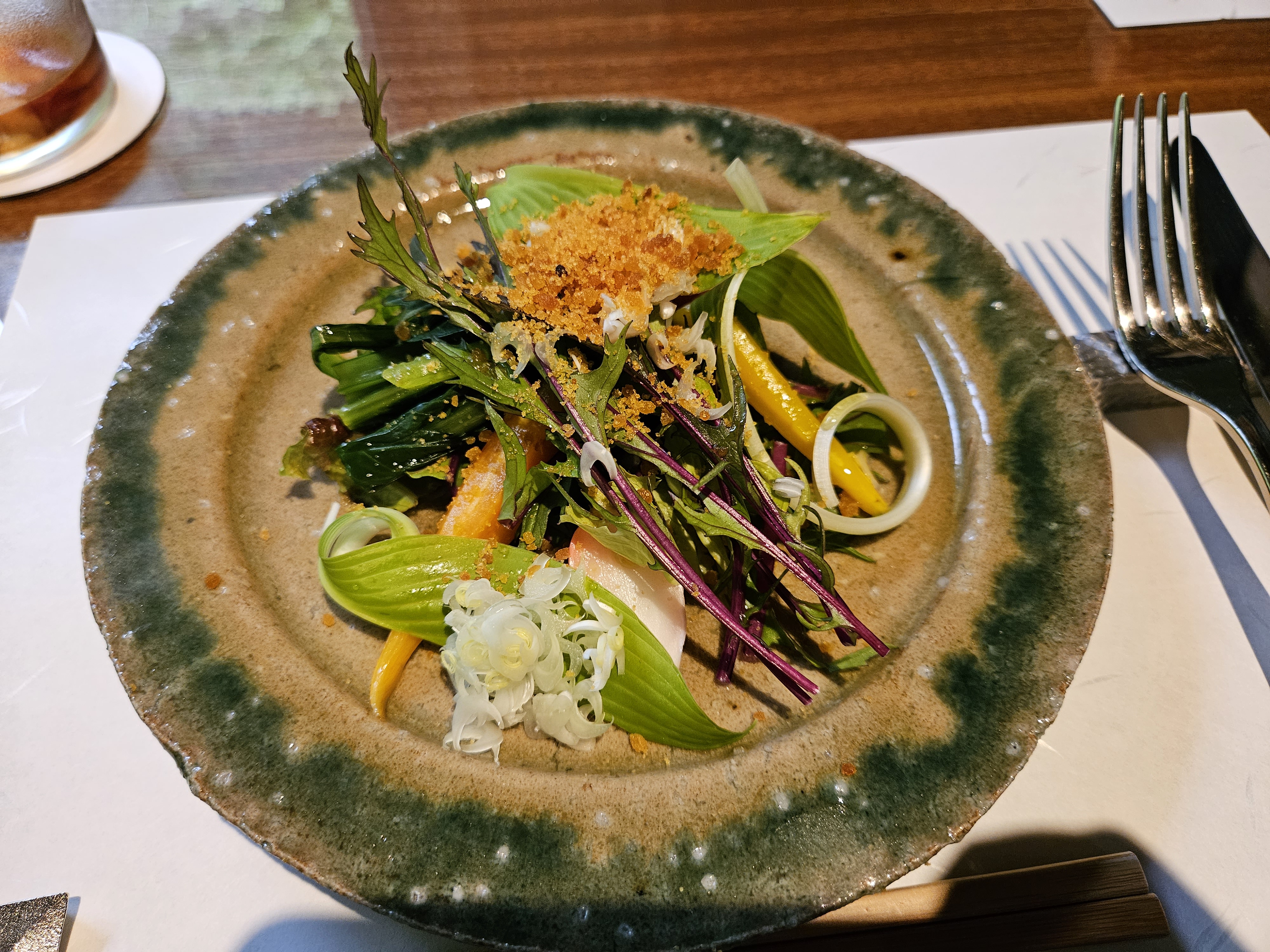
Local vegetable, Dried mullet roe

The salad was a delightful surprise, offering a captivating mix of flavors. Its vibrant colors made it incredibly enticing, while the addition of roe provided a rich umami flavor and added depth to the dish.

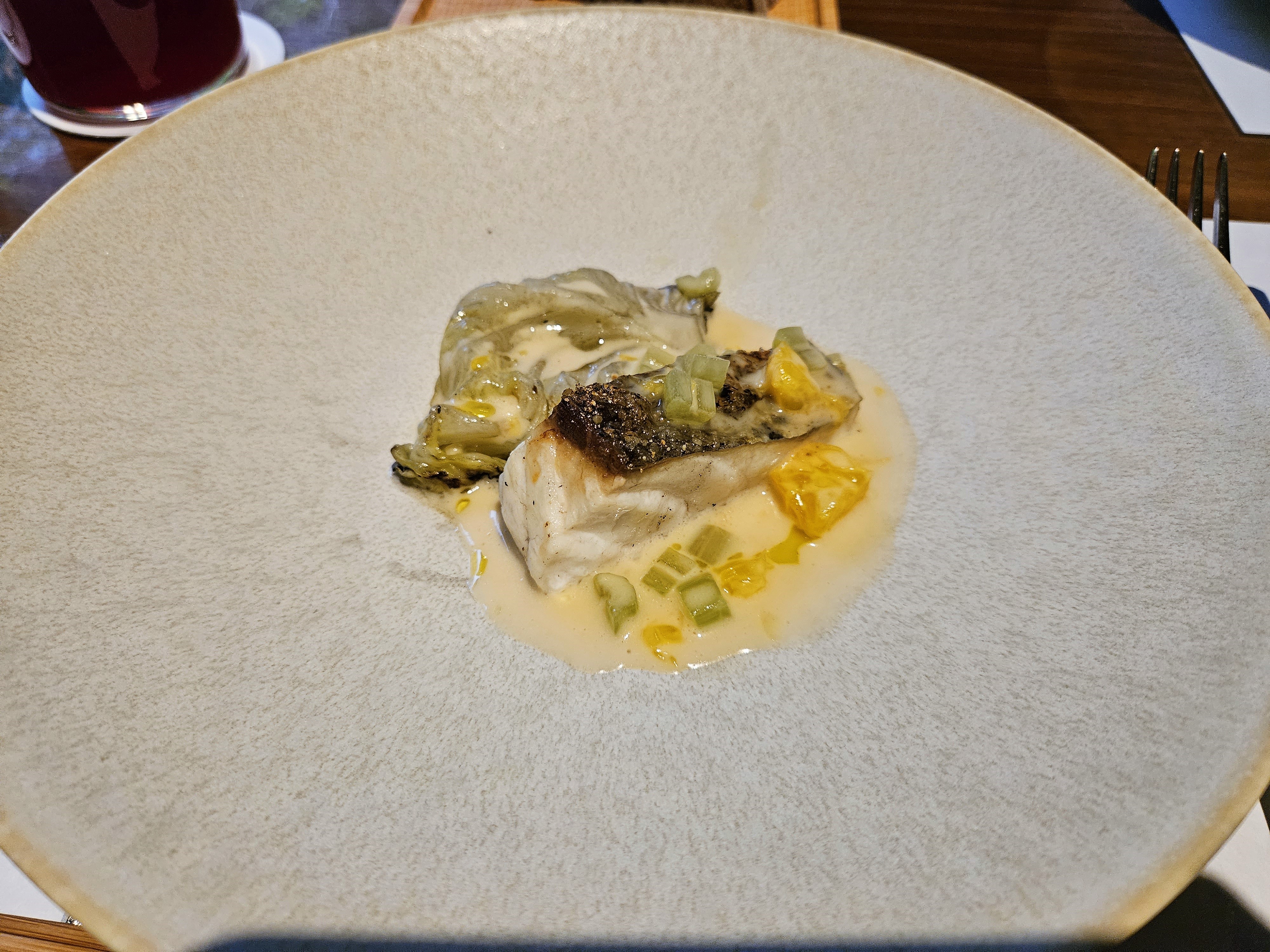
Sea bream, spring cabbage, Hassaku orange

The cabbage cooked over the grill intensified its natural sweetness, adding vibrancy and soulfulness to its taste. It’s truly the sweetest cabbage I’ve ever tasted. The sea bream was cooked to perfection, offering a fresh and delicate taste. Dressed in a light Mousseline Sauce with Hassaku oranges, it allowed the fish’s natural flavors to shine through.

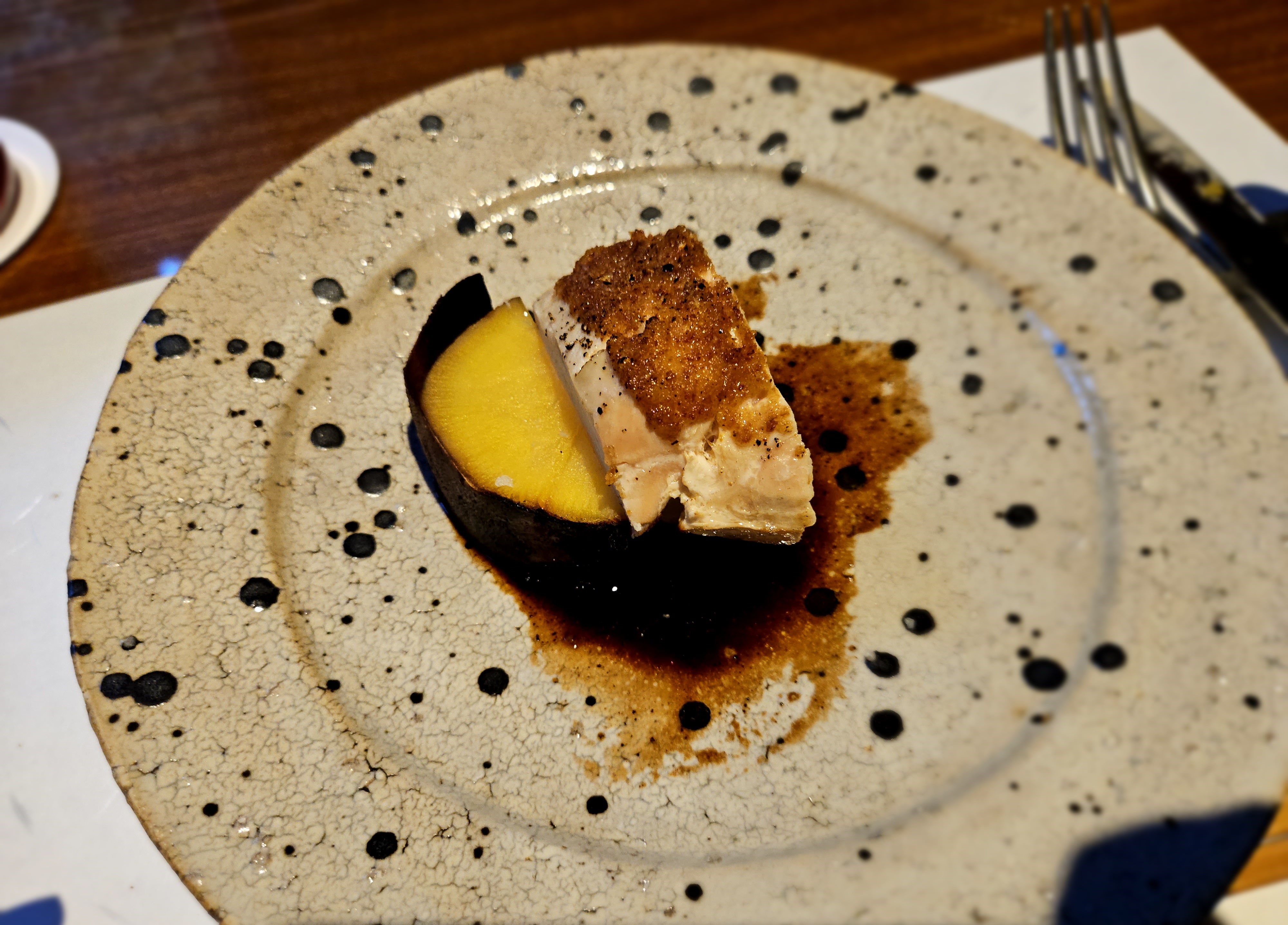
Chicken, Sweet potato, Balsamic vinegar

The chicken was cooked perfectly, resulting in tender and juicy meat with a lovely, savory skin. A sweet potato with a smokey skin accompanied it, adding depth to its flavor profile. Drizzled with a balsamic dressing, each bite offered a harmonious blend of savory and sweet notes.

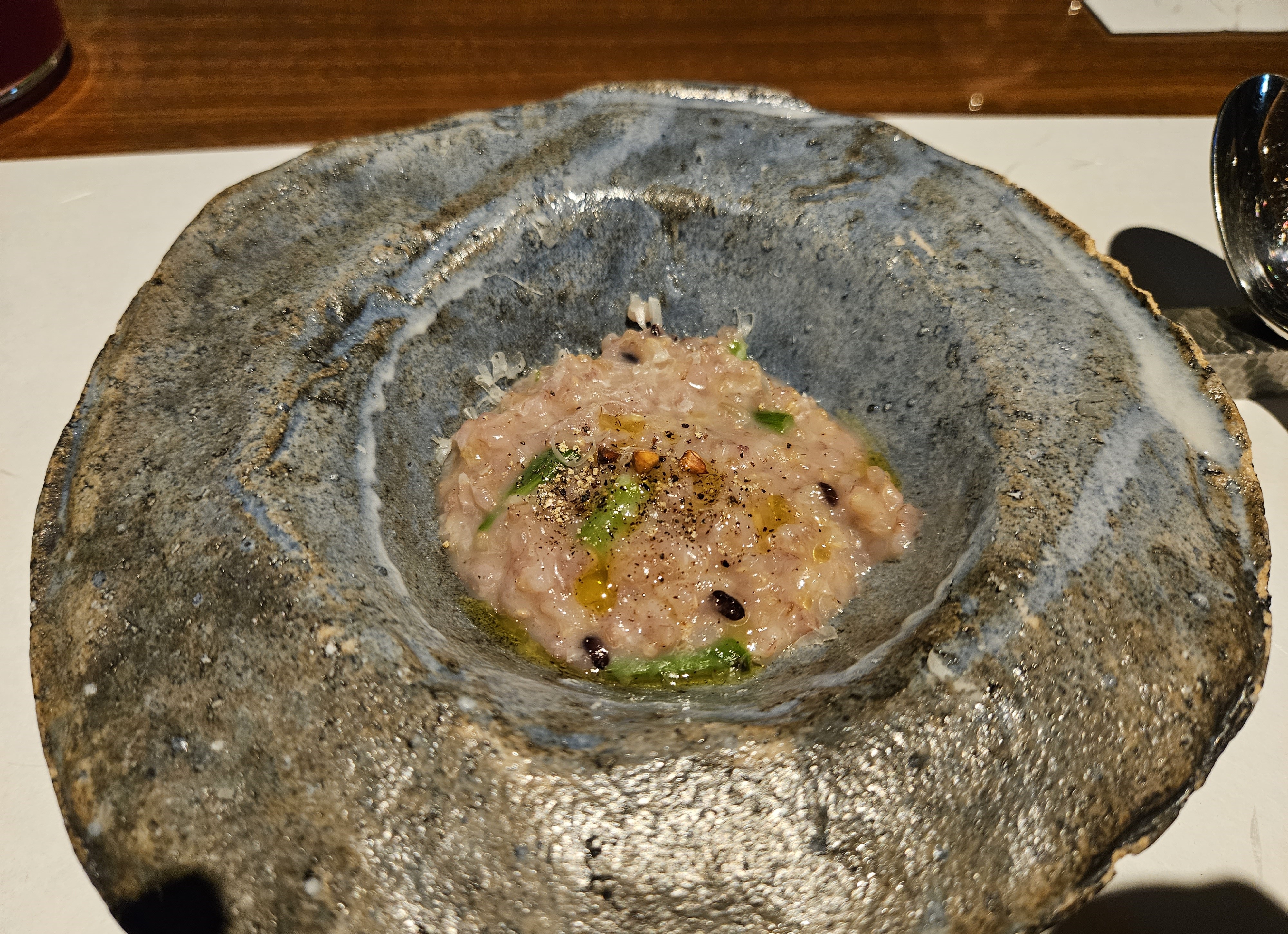
Smoked brown rice, Canola flower, Buckwheat seeds

This dish was the pièce de résistance. The smoked brown rice was exceptional. It was rich yet not unctuous, almost like a lighter risotto. The dish, in its entirety, was seasoned beautifully with an excellent depth of flavor, with the parmesan cheese adding the perfect finishing touch.

Strawberry, petit four 

At the end of our meal, a thoughtful gesture awaited us: each of us received a box of Inari sushi to enjoy later as a snack in our room.


Moksa

Website: https://moksa.jp/

Telephone: 075-744-1001

Address: 601-1255 , Kyoto Prefecture, Kyoto City, Sakyo Ward, Kami-Takano Higashiyama 65

One Michelin with a View

This slideshow requires JavaScript.

Hiramatsu Kodaiji, a one-Michelin-star Japanese-French restaurant, sits atop a hill in the historic district of Higashimaya in a tranquil surrounding, away from the busy Nineizaka shopping street below.

When we arrived at the entrance, we were warmly greeted by staff and escorted inside. There, we were greeted by a hostess in the lobby and escorted to the 4th floor, where the restaurant is located.

I reserved a terrace seat in advance. If the weather is good, I highly recommend it. It offers a view of the Yasaka Pagoda and the beautiful Kyoto scenery.

The waiters were cordial and attentive and provided impeccable service, but they had limited English proficiency. They tried their best to communicate, using a translating app at times. I appreciate the effort.

The restaurant offers a Prix Fixe menu for lunch and dinner at three price ranges: 5,000 to 12,000 yen for lunch and 15,000 to 25,000 yen for dinner.

I opted for the 7,500. (A 10% tax and 10% service charge are not included in the price.)

The food was delicious, and I enjoyed the dining experience. Continue reading “One Michelin with a View”